

How Your Basement Floor Can Impact Indoor Air Quality
Concrete isn’t the solid, impermeable surface it looks like. At a microscopic level, it’s porous, which means it constantly exchanges moisture, dust, and gases with the air around it. For basements in Southwest Wisconsin, that exchange ramps up considerably during spring thaw and humid summer months, pushing moisture upward through the slab and into your living space.
Let’s explore exactly how basement floors affect indoor air quality, what sealing a concrete floor does to protect your home, and how to know when it’s time to bring in a professional.
Can a Basement Floor Cause Poor Air Quality?
Water vapor naturally rises through concrete, especially in homes built without a proper vapor barrier beneath the slab. Once that moisture reaches the surface, it creates the damp conditions that mold and mildew need to take hold.
Southwest Wisconsin homes face this challenge more than most. Clay-heavy soil holds water longer after rain or snowmelts, and seasonal temperature swings cause concrete to expand and contract, widening small cracks and pores over time. The result is a basement floor that's constantly feeding moisture into the air above it.
Mold spores released from damp concrete don't stay confined to the basement. They travel through your HVAC system and circulate into bedrooms, living rooms, and kitchens. Even low concentrations of airborne mold can trigger allergic reactions, chronic congestion, and respiratory irritation in sensitive household members.
Benefits of Sealing Concrete Basement Floors
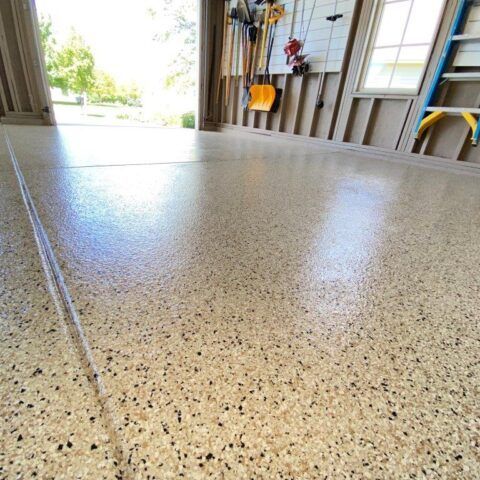
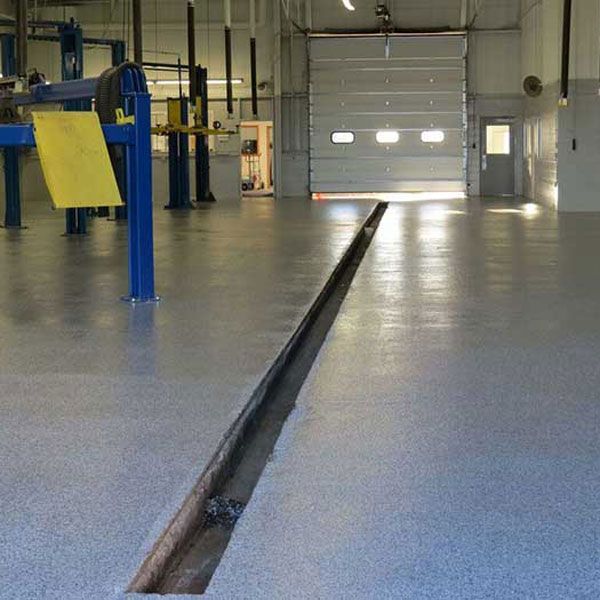
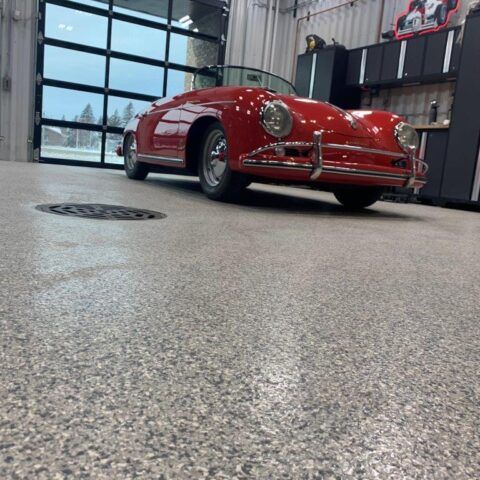
Sealing your basement floor addresses these issues directly by creating a dense, non-porous barrier over the concrete surface. The benefits of sealing concrete basement floors include:
- Moisture Control at the Source – A sealed floor blocks upward vapor transmission, which eliminates the damp conditions mold and mildew rely on to grow.
- Reduced Airborne Dust – Once the coating bonds with the concrete, it encapsulates the surface and stops it from shedding fine particles, even under regular foot traffic.
- Fewer VOC Concerns – A sealed, non-absorbent surface won't soak up spills from paints or cleaning products, which reduces the chemical off-gassing that can degrade air quality over time.
- Easier Cleaning – Smooth, coated floors don't trap dust and debris the way bare concrete does, so routine cleaning actually removes contaminants instead of just disturbing them.
- Long-Term Durability – Basement moisture control through a quality coating system can last 15 to 20 years with proper maintenance, offering lasting protection rather than a temporary fix.
How Floor Coatings Help Create a Healthier Basement
A professionally applied coating bonds tightly to the concrete, sealing off the pores and capillaries that would otherwise allow moisture, dust, and gases to pass through. Polyurea and polyaspartic coatings are particularly effective moisture barriers because they cure quickly and remain flexible as the concrete naturally expands and contracts with Wisconsin's seasonal temperature swings. Some coatings also include antimicrobial additives that actively inhibit mold and mildew growth on the surface, adding another layer of protection beyond simply blocking moisture.
Choosing a low-VOC or VOC-free coating matters just as much as the coating's performance. A product that off-gasses heavily during application defeats part of the purpose, introducing new airborne chemicals into the very space you're trying to improve. Low-VOC systems emit minimal odor and allow most homeowners to resume normal basement use within 24 hours of installation.
Signs Your Basement May Be Affecting Your Home’s Air Quality
Not sure if your basement floor is part of the problem? Watch for these warning signs:
- Musty Odors – Even when the basement looks clean, they often indicate active mold growth behind walls or beneath flooring.
- Visible Efflorescence – These are the white, chalky deposits that appear on concrete, signaling that moisture is actively moving through the slab.
- Condensation on the Floor or Walls – Condensation, particularly during humid months, points to vapor transmission that needs addressing.
- Increased Allergy Symptoms or Respiratory Irritation – Symptoms that improve when you leave the house can be traced back to airborne mold spores or dust.
- Visible Dust Accumulation – Dust on basement surfaces, even shortly after cleaning, suggests the concrete itself is shedding particles.
- A Damp, Heavy Feeling in the Air – Dampness occurs throughout the lower level, rather than just in one isolated spot.
Ways to Improve Air Quality in a Finished Basement
If your basement is already finished, improving air quality takes a slightly different approach than sealing bare concrete. Here are ways to improve air quality in a finished basement without a full teardown:
- Test for Moisture Beneath Existing Flooring – Carpet and padding trap moisture against concrete and can hide mold for weeks before any smell becomes noticeable. A moisture test identifies problems before they spread.
- Run a Dedicated Dehumidifier – Keeping basement humidity below 50% slows mold growth and reduces the musty smell that often accompanies poor air quality.
- Improve Air Circulation – Basements with limited airflow trap stagnant, humid air near the floor. Adding a vent fan or ensuring HVAC returns reach the lower-level helps move that air out.
- Seal Exposed Concrete Sections – Even in a finished basement, exposed slab areas can still release dust and moisture. Sealing those sections closes an easy entry point for contaminants.
- Address Plumbing Leaks Promptly – A slow drip from a water heater or utility sink can go unnoticed for weeks while quietly compromising the subfloor and feeding mold growth.
- Replace Vulnerable Flooring Materials – Standard laminate and solid hardwood tend to fail in basements with any moisture history. Choosing moisture-resistant materials over an existing slab, once it's properly sealed, reduces the odds of recurring problems.
Frequently Asked Questions
When Should I Call a Flooring Professional?
Call a professional if you notice visible mold, persistent dampness that returns after drying, efflorescence on the concrete, or musty odors that won't go away with cleaning.
Can Basement Mold Spread to the Rest of the House?
Yes. Mold spores are airborne and travel easily through your HVAC system, carrying them into bedrooms, living rooms, and other areas far from the basement. Addressing basement moisture control early helps prevent mold from establishing itself in the first place, rather than dealing with a house-wide problem later.
Will the Coating Smell After It’s Applied?
High-quality, low-VOC coatings emit minimal odor and off-gas quickly. Most homeowners can return to normal basement use within 24 hours of a polyurea or polyaspartic system being applied.
Invest in Lasting Protection for Your Floors
Addressing the root cause of basement air quality problems through professional concrete floor sealing does more than freshen up the space. It removes the ongoing source of contaminants, degrading the air your family breathes.
If you've noticed musty odors, visible moisture, or dust buildup in your Southwest Wisconsin basement, don't wait for the problem to spread. Schedule a consultation with Wisconsin Concrete Coatings today and find out whether sealing your concrete floor is the right next step toward a healthier home.
Recent Posts